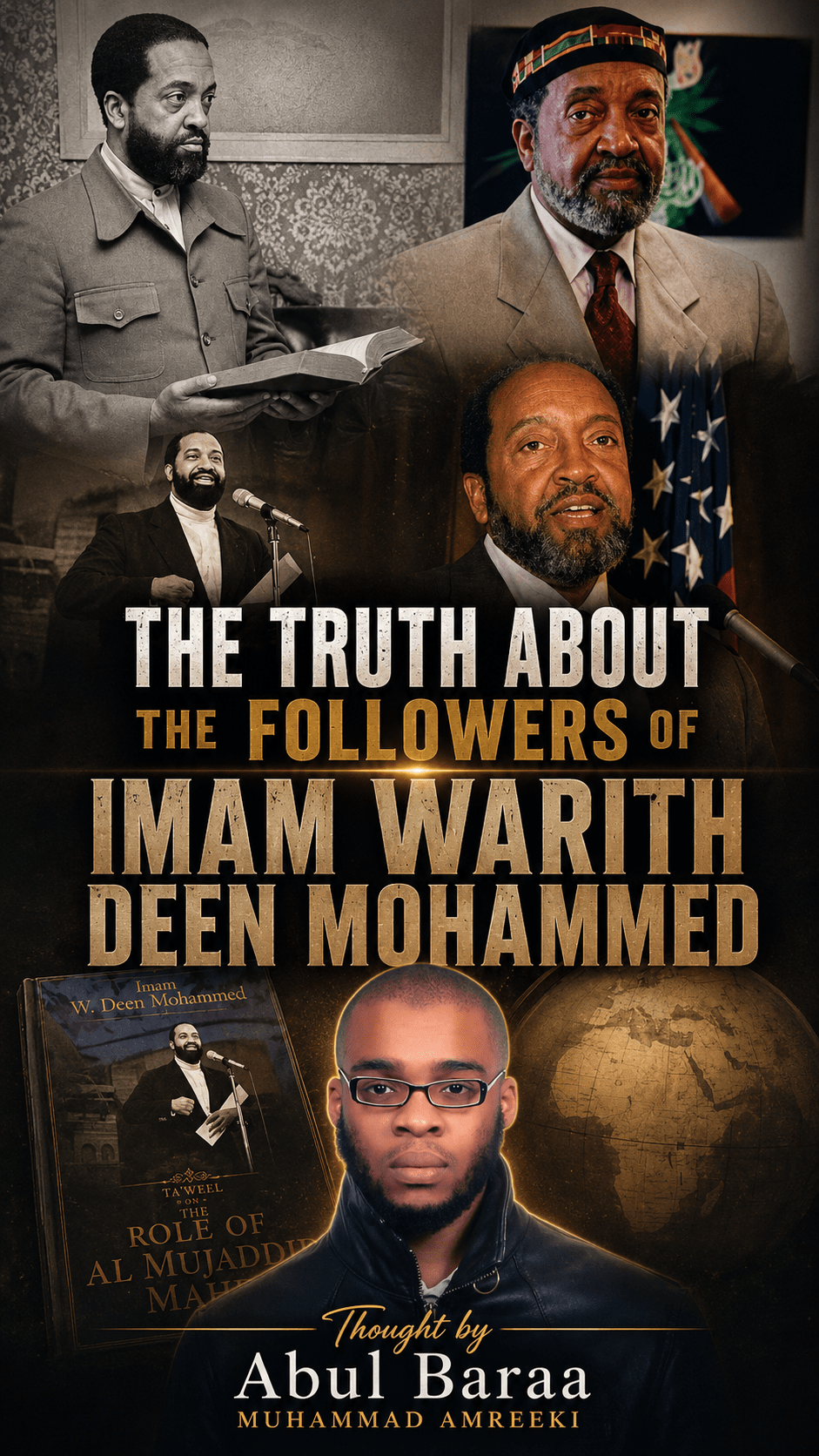
There are many claims made about the followers of Imam Warith Deen Mohammed, his legacy, and his contributions to the Black American Muslim community. While there is no denying that Imam Warith Deen Mohammed had a significant historical influence, the question is: What are his followers contributing today, in 2026?
From my perspective, the followers of Imam Warith Deen Mohammed have made little meaningful contribution to the Black American community in the areas of politics, economics, or social reform. They are not leading major institutions, building economic programs, organizing political movements, or addressing the pressing issues facing Black Americans on a significant scale.
Instead, much of their energy appears to be centered on preserving and celebrating the legacy of Imam Warith Deen Mohammed. In some circles, this has gone beyond appreciation and has become an embellishment of his legacy, elevating him to a religious status that, in my view, is not supported by mainstream Islamic teachings.
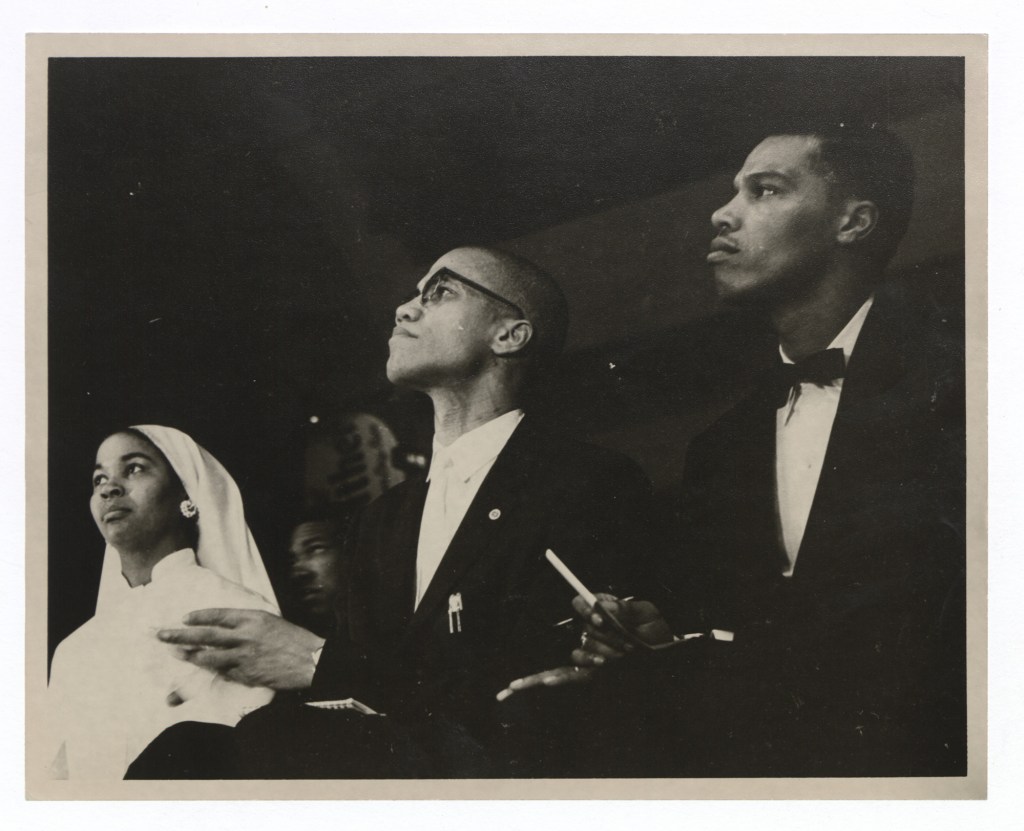
Among some followers, a culture has developed that revolves around images, stories, symbolic gestures, and exaggerated claims about Imam Warith Deen Mohammed—some based on statements he made, others based on ideas attributed to him after his death. This emphasis on personality and legacy can resemble cult-like behavior, where loyalty to a leader overshadows the practical work of serving the community.
Because so much attention is devoted to preserving and defending his image, there appears to be far less attention given to addressing the social, economic, and political challenges confronting Black Americans today.
Another point worth considering is the claim that many followers of Imam Warith Deen Mohammed are Black nationalists. If Black nationalism is understood as the active pursuit of Black political empowerment, economic development, institutional independence, and community advancement, then that claim should be evaluated by looking at present-day results.
In 2026, where are the large-scale political initiatives, economic institutions, educational programs, or social reform movements being led by this community that are specifically advancing the interests of Black Americans? If such efforts are absent or limited, then it is reasonable to question whether the label “Black nationalist” accurately describes the movement today.
Ultimately, my criticism is not directed at Imam Warith Deen Mohammed as a historical figure, but at what I see as the current priorities of some of his followers. Rather than building institutions and addressing the urgent needs of the Black community, they appear primarily focused on preserving, defending, and celebrating his legacy.
If the measure of a movement is the lasting institutions it builds, the communities it uplifts, and the solutions it provides to real-world problems, then the followers of Imam Warith Deen Mohammed must be evaluated not by memories of the past but by their present-day contributions.
Thought by:
Abul Baraa Muhammad Amreeki



 Works of Abul Baraa Muhamad Amreeki
Leave a comment