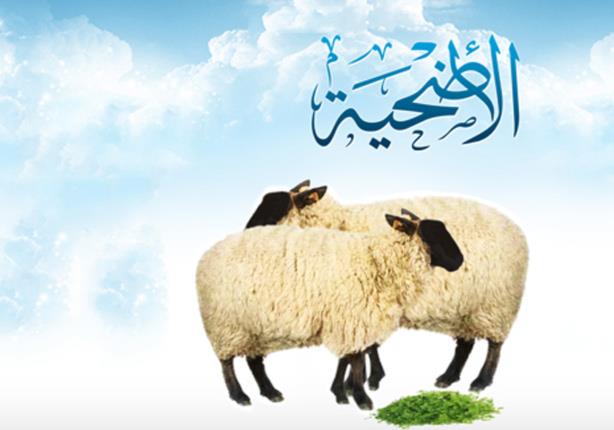
 Q & A What is said when slaughtering Udhiyah (sacrifice for Eid Adha) or other than it? By Shaykh Abdul Azeez bin Baz
Q: We turn to another matter from the questions, she is asking about a matter this listener asking your esteem eminence. So she is asking: we hear the people when slaughtering (their sacrifice or other than that) they say the name of Allah and they takbeer (say Allahu Akbar, Allah is Great), but they do not pronounce the Shahadah (the Declaration of Faith). So is it a must to pronounce the Shahadah when slaughtering the animal or it is not a must to do so ?
A: The Sunnah (way of the Prophet sallahu wa alayhi wa salam) when slaughtering:باسم الله والله أكبر ( bismillahi wa Allahu Akbar) in the name of Allah and All is the Greatest. There is no need for saying the Shahadah (the Declaration of Faith), باسم الله والله أكبر ( bismillahi wa Allahu Akbar) then slaughter (the animal).
The Prophet sallahu wa alayhi wa salam when he wanted to slaughter he would say باسم الله والله أكبر ( bismillahi wa Allahu Akbar), then he would slaughter his animal, when it was his Udhiyah ( his sacrifice for Eid al Adha) he would say: اللهم عن فلان بن فلان، أو عن فلانة ” O’ Allah on the behalf of so and so (who is a male) son of so and so, or so and so (who is a female)” this is better or an Aqeeqah it is the slaughtering of an animal on the occasion of a new child.
He should say when slaughtering for Aqeeqah: اللهم عن ولدي فلان أو بنتي فلانة “O’ Allah on behalf of my son so and so or my daughter so and so” like this is no problem. This is what is legislated but he says when slaughtering (at first): “باسم الله والله أكبر ( bismillahi wa Allahu Akbar) in the name of Allah and Allah is the Greatest”, then he brings the knife to the animal or he thrust the collar of the neck if his sacrifice is a camel (below the neck and above the chest), if its a camel you are slaughtering it is by thrusting with a big knife the collar (below the neck and above the chest) of the camel, and if it is a raised cattle (cow) you slaughter it is on its left side with a knife, yes.
Show’s host: may Allah reward you with good.
Translated by Abul Baraa Muhammad Amreeki
ما يقال عند ذبح الأضحية وغيرها
الجواب: السنة عند الذبح: باسم الله والله أكبر ما يحتاج شهادة، (باسم الله والله أكبر) ثم يذبح: كان النبي ﷺ إذا أراد أن يذبح يقول: باسم الله والله أكبر ثم يذبح الذبيحة، وإن كانت ضحية يقول: اللهم عن فلان بن فلان، أو عن فلانة أفضل، أو عقيقة: وهي …… التي تذبح عن المولود.
يقول: اللهم عن ولدي فلان أو بنتي فلانة ما فيه بأس، هذا مشروع، ولكن يقول عند الذبح: (باسم الله والله أكبر) ثم يجر السكينة على الذبيحة، أو يطعن في اللبة إن كان الذبيحة من الإبل.
يطعنها في اللبة بالحربة، وإن كان من البقر الغنم ذبحها على جنبها الأيسر، ذبحها بالسكين، نعم
المقدم: جزاكم الله خيرا.

 Works of Abul Baraa Muhamad Amreeki
Leave a comment