What is Desired for the Fasting Person
1. Suhur [A meal taken at the time before the Fajr [dawn, morning prayer] by a person observing Saum [fast]
Whereas presented by Anas radi Allahu anhu that the Prophet sallahu wa alayhi wa salam said: “To take suhur [pre-dawn meal] for in Suhur is blessings.” Narrated by Al-Bukharee and Muslim
To take Suhur even if its a mouth full of water, narrated by Abdullah bin Amar radi Allahu anhu said: ” Allah’s Messenger sallahu wa alyhi wa salam said: ‘To take Suhur even if its a mouth full of water’.” Hadeeth Saheeh al-Jaamia as-Sageer
Ash-Shaykh Salih bin Fawzan bin Abdillah al-Fawzan hafidhullah said in al-Mulakis al-fiqhi:
Some of the people take the Suhur early because they stay up late, then take Suhur and they sleep hours before Fajr. There is a number of mistakes with those who perform that.
First: they fast before the time to fast.
Second: they abandon the Fajr Prayer in the congregation and disobey Allah by abandoning what is Wajib [obligation] on them and that is the salah in the congregation.
Third: possible they delay the Fajr Prayer from its proper time. And do not pray until the sun rises. This is a serious offense and a big sin. Allah the Most High said:
فَوَيْلٌ لِّلْمُصَلِّينَ
So woe unto those performers of Salat (prayers) (hypocrites),
الَّذِينَ هُمْ عَن صَلَاتِهِمْ سَاهُونَ
Those who delay their Salat (prayer from their stated fixed times).
Surah al-Mauoon 4,5
It’s a must the intention of the Obligation Fasting is from the night. And if he intends to fasts and he wakes up after the sun appears. Indeed he holds back [by not eating, drinking, and sexual relations] and his fast is correct and complete.
2. Delay the Suhur
The Hadeeth Zaid bin Thabit radi Allahu anhu:” We took the Suhur with the Messenger of Allah sallahu wa alayhi wa salam, then we stood for the Salah. He asked how much was the interval between the two [suhur and Salatul Fajr] he said: The interval was the range of fifty verse of the Quran”. Narrated by Al-Bukharee and Muslim.
And reflecting on the Hadeeth Abu Dar radi Allahu anhu that the Prophet sallahu wa alyhi wa salam said: “My Ummah will continue with good [with the condition as long] they prolong the Suhur and haste to Iftar [break the fast at its proper time and not delay it for no reason].”
3. Hasten to Iftar [breaking the fast]
Regarding the Hadeeth Sahul ibn Sa’ad radi Allahu anhu. The Prophet sallahu wa alayhi wa salam said: “The people will continue to be with good [with the condition] they haste to break the fast.” Agree Upon
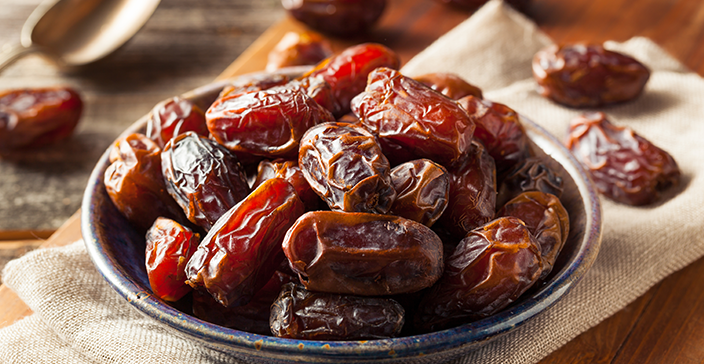
4. Breaking the fast upon Rubaat [ wet, fresh dates] and if they were not present dry dates [older dates] and if they not present then water.
For the Hadeeth Anas radi Allahu anhu said: “Allah’s Messenger sallahu wa alayhi wa salam broke his fast before he prayed [Salatul Magrib] with Rubaat-wet dates [fresh dates] and if wet dates [fresh dates] was not present then with dry dates [old dates] and if dry dates was not present,then sips [drank] full of water”. Narrated by Abu Dawud and Al-Hakim and authenticate it, and At-Tirmidhi.
5. Supplication at the time of Iftar [breaking the fasts].
The Hadeeth of ibn Umar radi Allahu anhu. The Prophet sallahu wa alayhi wa salam, when he was going to brake his fast, he said: “Thirst has vanished [veins been trialed, and now] moistened [refreshed] and Allah will reward [ for the fasts] certainly established”. Related by Abu Dawud and Al-Hakim and Al-Bayhaqi.
Ash-Shaykh Salih bin Fawzan bin Abdillah al-Fawzan hafidhullah said in al-Mulakas al-fiqhi:
“And here is an affair that is an obligation to warn about:
Indeed some of the people sit at the table for their Iftar and they eat and abandon the Salatu Al-Magrib with the congregation in the Masjid. They perform this huge mistake, and that is to delay on the congregation Salah in the Masjid. And they pass on themselves a mighty reward and expose their selves for a punishment and its known that the one who fasts that he brakes his fasts first then he goes to the Masjid for the congregation prayer then he eats after that. “
6. If anyone is insulted, or behave ignorant towards you, he should say: “indeed I’m fasting, indeed I’m fasting”.
Regarding the Hadeeth Abu Hurairah radi Allahu anhu, that Allah’s Messenger sallahu wa alayhi wa salam said: “So when anyone of you are fasting on the day of Ramadan for there no sexual relationship in the [day hours of Ramadan]and no quarreling [ yelling and arguments], and if someone insults you or come to fight you, verily it is need to be said ‘Indeed I’m fasting two times.” Narrated by Al-Bukharee and Muslim.
Ash-Shaykh Salih bin Fawzan bin Abdullah al-Fawzan hafidhullah said in al-Mulakas al-fiqhi:
And it is a must for the Muslim: That he works with the remembrance of Allah, and reciting the Book of Allah, and doing much of Nawaafil [ acts that are not fard, but get one close to their Lord, i.e sunnah before and after the fard salah]. So indeed the Salaf [ pious predecessor, the first three generation of the Messenger of Allah and his Sahabah and those who came after the Messenger sallahu wa alayhi wa salam, and those after them] when they fast they sat in the masjids, and they said we protect our fasting and we do not backbite anyone. And Allah’s Messenger sallahu wa alayhi wa salam said: ” Whosoever do not leave off false speech and its actions for Allah have no need for him leaving off his food and drink.” Al-Bukharee from the Hadeeth of Abu Hurariah radi Allahu anhu.
Because that do not complete the actions that get the Muslim close to Allah the Most High with abandon permitted desires ‘Mubah’ [permitted, lawful but no rewards for doing, like eating and drinking] because of the condition of fasting. Except after getting close to Allah by abandoning what Allah makes Haram [ forbidden] upon him in every case from lying, and oppressing and attacking the people [spilling people’s blood by fighting] and their wealth and their honor.
Narrated by Abu Hurairah radi Allahu anhu marfoo’a [known]: “The Fasting person in worship he doesn’t backbite a Muslim nor harm him”, narrated it Ibn Adee in [al-kamaal] from the Hadeeth of Abu Hurairah marfoo’a and narrated by Ibn Abu Shaybah.
And regarding Anas radi Allahu anhu: “How is the person who fasts and persist with eating the flesh of the people [ backbiting the people]” Narrated by Abu Shaybah. So the fasting person leaves off things that are Mubah [permitted, lawful but no rewards for doing, like eating and drinking] because of the circumstance of fasting, and from the first step is to abandon things which are not Halal [lawful] in all conditions of the fasting person right.
7. Siwaak [miswak {wood stick for cleaning teeth}].
Regarding the Hadeeth Amar ibn Rabiya radi Allahu anhu said: ” I saw the Messenger of Allah sallahu wa alayhi wa salam uncountable number of times with the Siwaak while he was fasting.” Narrated Ahmed and Abu Dawud and At-Tirmidhi.
8. To be generous and study the Quran.
To be generous at all times and studying the Quran much in Ramadan.
Narrated by Al-Bukharee concerning Ibn Abbas radi Allahu anhu he said: ” Allah Messenger sallahu wa alayhi wa salam was the most generous of all the people and he was the most generous in Ramadan. When Jibrieal alyhi wa salam met him. And Jibril used to meet him every night of Ramadan to teach him the Quran. Allah’s Messenger sallahu wa alayhi wa salam was the most generous person even more generous with good than the uncontrollable wind [ he was quick in doing all kinds of good deeds]. “
9. Diligent in worshiping in the last ten days of Ramadan.
Narrated by Al-Bukhari and Muslim, regarding Aisha’s narration radi Allahu anha: ” that the Prophet sallahu wa alyhi wa salam whenever he enter Ramadan’s last ten days, he extended his nights [for worship], wakes up his family and tighten his waist belt [or Izar to do work of worship].”
10. To feed the ones who are fasting.
The according to Hadeeth by Zaid bin Khalid al-Juhani radi Allahu anhu related the Prophet sallahu wa alayhi wa salam said:” anybody offers a meal for the breaking of the fast of another person, earns the same merit as the one who was observing the fast. Without diminishing in any way the recompense of the fasting person.”Narrated by At-Tirmidhi and said the Hadeeth is correct and Hasan [good], and used by Ibn Majah and Ahmed and authenticated by Ibn Hibaan.




 Works of Abul Baraa Muhamad Amreeki
Leave a comment